
Last updated November 15, 2026
 Wrought iron
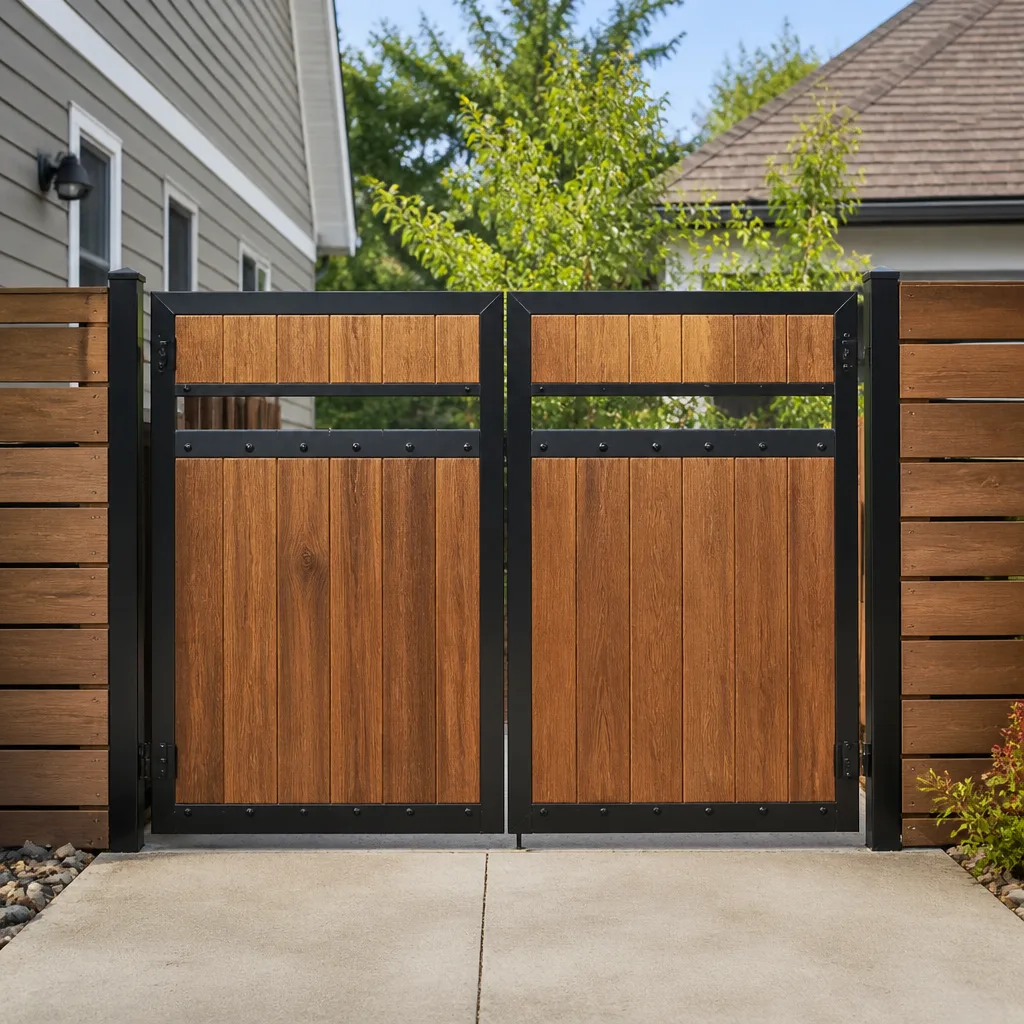 Wood & steel frame
 Farm & ranch
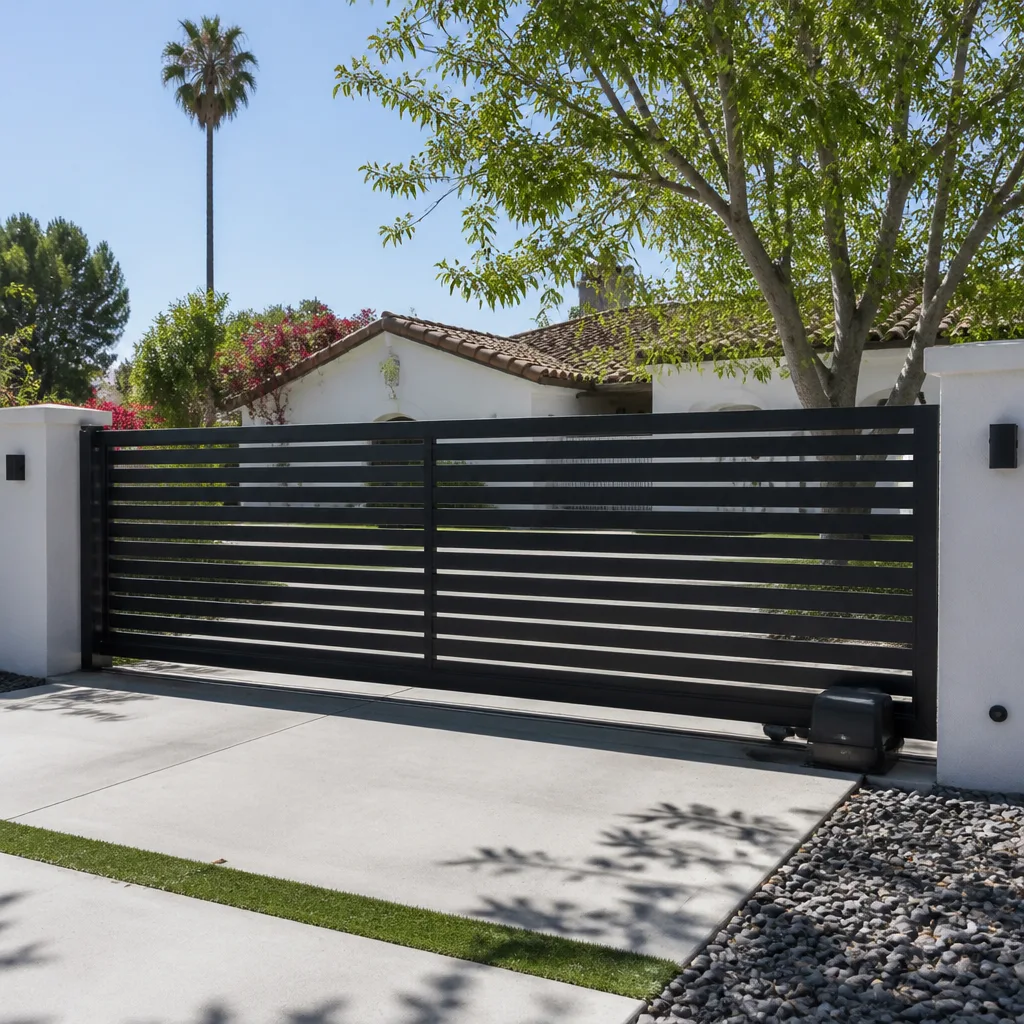 Sliding driveway gates
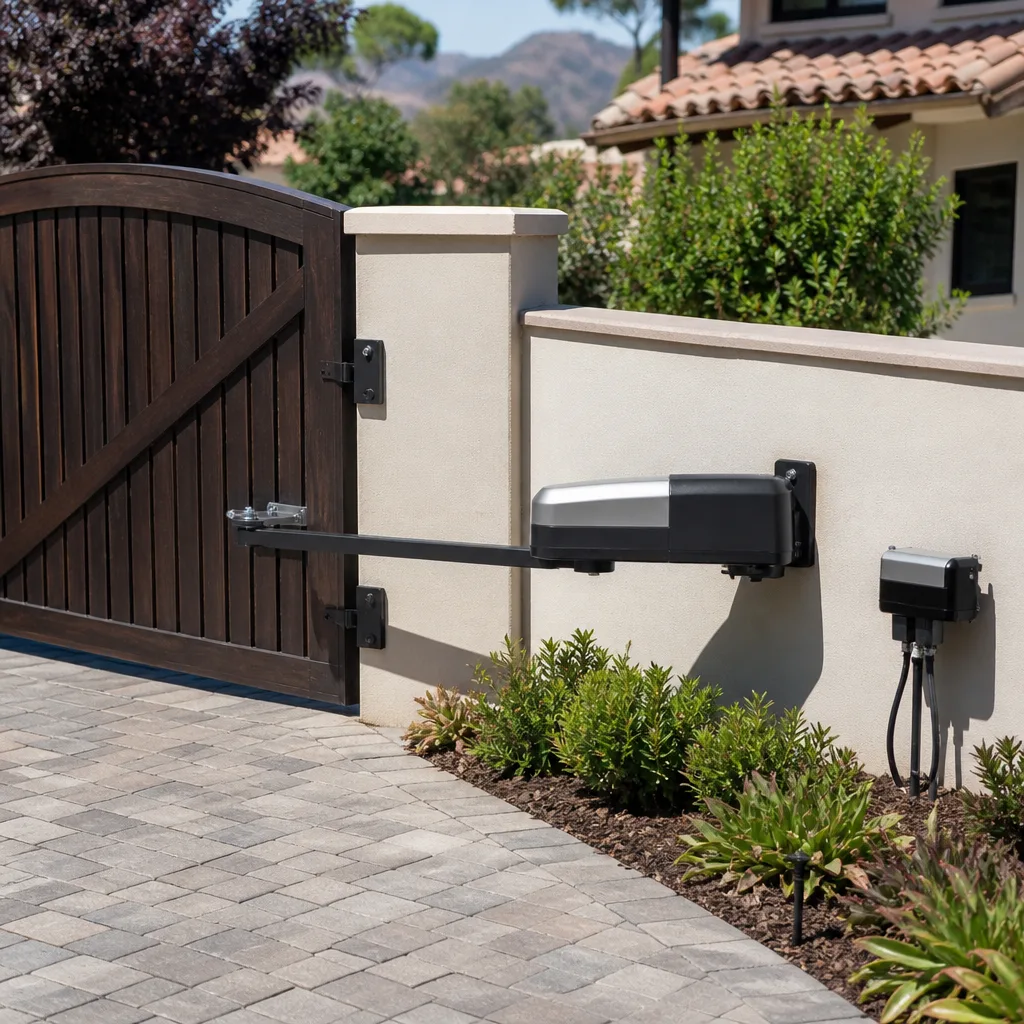 LiftMaster operators
Free on-site gate assessment - hinges, posts, and your LiftMaster or Nice gate operator checked before anything is quoted
The assessment is free and the quote is the invoice.
Get your free estimateGate Repair Permits, Codes & Inspections in Sunrise Manor, NV: What You Need to Know
Most gate work in Sunrise Manor doesn’t require a permit. That’s the part everyone gets right. The part that gets missed is where the line sits. Adding an automated opener to a gate that’s been manual for years is frequently treated as an alteration in Clark County, not a repair, and alterations can trigger a building permit and a separate electrical permit for the operator circuit. Contractors chasing a quick close don’t always mention that. So here’s what we’ll cover: the repair-versus-alteration threshold, how HOA rules in Sunrise Manor communities stack on top of county code, the low-voltage electrical question, and how to check permit history on a gate a previous owner installed.
Styles & brands we work with
- Wrought iron
- Wood & steel frame
- Farm & ranch
- Sliding driveway gates
- LiftMaster operators
Quick Answer
Routine gate repair in Sunrise Manor – hinges, latches, rollers, track, a failed operator board, a dead battery backup – generally does not require a building permit. New gate construction, structural alteration of an existing gate or its posts, and new electrical circuits feeding a gate operator usually do, and Clark County handles building and electrical permits as separate applications. HOA architectural review is a separate approval that can be stricter than county code, and it applies to many Sunrise Manor communities regardless of whether a county permit is needed.
Table of Contents
- Repair or Alteration? Where Clark County Draws the Line
- Gate Projects That Usually Need a Permit in Sunrise Manor
- Electrical Permits and Gate Operator Wiring
- HOA Overlay Requirements in Sunrise Manor Communities
- Why Desert Conditions Change What Counts as Maintenance
- What Happens When Unpermitted Gate Work Surfaces
- How to Verify Permit and Inspection Status on an Existing Gate
- Common Mistakes to Avoid
- Frequently Asked Questions
Repair or Alteration? Where Clark County Draws the Line
The single most useful distinction in gate permitting is repair versus alteration, and it’s the one most homeowners have never had explained to them. A repair restores a gate or operator to the condition it was already in. An alteration changes the gate’s configuration, its structural capacity, or the way it’s powered and controlled. Repairs usually proceed without a building permit. Alterations often don’t.
In practical terms, here’s how that line tends to fall for gate work in Sunrise Manor:
- Repair side: replacing a hinge, a latch, a roller carriage, a damaged picket or panel section, a worn track, an operator control board, a photo-eye pair, or a keypad that failed. None of this changes what the gate is or how it’s classified.
- Alteration side: converting a manual gate to automated operation, widening or shortening a gate opening, changing a swing gate to a slide gate, replacing posts or footings, adding a new structural bay, or running a new dedicated power circuit to an operator location.
The manual-to-automatic conversion deserves its own paragraph because it’s the most commonly under-permitted gate project we see. A gate that has swung by hand for years was likely never reviewed for the forces an operator applies. Once a motor moves that gate, the gate becomes a powered system with entrapment considerations, and the county’s interest in reviewing it goes up accordingly. If you’re weighing that conversion, this is the moment to get the paperwork right rather than after the fact. Our electric gate repair work regularly includes untangling exactly this kind of history.
One more nuance: “repair” doesn’t mean “invisible in the permit record.” Some repairs still require an inspection sign-off if a prior permit on that gate was never finaled. We’ll get to that in the verification section.
Gate Projects That Usually Need a Permit in Sunrise Manor
If you want a short list to bring to the county, this is it. These are the gate projects where we tell Sunrise Manor homeowners to expect a permit application before anyone touches the gate, not after.
- New gate installation of any kind, whether it’s a driveway swing gate, a slide gate, or a pedestrian gate with a structural frame.
- Post or footing replacement, since the gate’s anchorage is part of its structural system.
- Changing the gate’s dimensions – widening a driveway opening, adding a leaf, or altering clearances.
- Changing gate type, such as converting a swing gate to a slide gate or the reverse.
- Adding an operator to a previously manual gate, which is the alteration case described above.
- New electrical circuits serving the operator, covered in more detail in the next section.
- Any work in a county right-of-way, which for corner lots in Sunrise Manor can include a gate placed near a sidewalk or drainage easement.
The right-of-way item is easy to overlook. Sunrise Manor has a lot of corner and through lots where a driveway gate sits closer to the street than the owner realizes, and a gate that encroaches into county right-of-way can need an encroachment review on top of a building permit. Ask the county’s building department directly about your parcel and its setbacks before you order a gate.
If your project is on the plain repair side, a free estimate from a gate-only specialist will usually settle the question faster than a trip to the permit counter. We offer one in Sunrise Manor and we’ll tell you plainly if we think your job crosses into permit territory. Call (844) 435-3018 and we’ll get you booked.
Electrical Permits and Gate Operator Wiring
Here’s the question we get most often about gate permits: does the wiring need an electrical permit? The honest answer is that it depends on whether the work is truly low-voltage and self-contained or whether it touches the structure’s power supply. That distinction has limits, and those limits are where projects go wrong.
Broadly, the categories break down like this:
- Low-voltage control wiring between an operator and its accessories – keypads, photo-eyes, loop detectors, receivers – is typically treated as low-voltage work and generally doesn’t require a separate electrical permit when it’s replacing or extending existing control wiring.
- A new dedicated power circuit from the panel to the operator location is line-voltage electrical work. That’s the point where an electrical permit and inspection usually enter the picture, and it’s also the point where a handyman should hand off to a licensed electrician.
- Moving an operator to a new location on the same property almost always means new conduit and new wiring, which pulls it into the electrical permit conversation.
- Adding a subpanel or extending an existing circuit to serve a gate is clearly electrical work, full stop.
The trap is that many “low-voltage” gate installations in Sunrise Manor involve a transformer plugged into an existing outdoor outlet. That arrangement can be fine, and it can also be the thing an inspector flags if the outlet isn’t protected or the transformer isn’t rated for the load. The rules and code references vary by jurisdiction and by the specific installation, so confirm the electrical scope with the county before assuming the low-voltage exemption covers you.
This is also where brand-specific knowledge matters. Operators from Linear and Viking, and newer residential systems like Ghost Controls, don’t all wire the same way. Some push low-voltage accessories on separate terminals; some integrate control power differently. Knowing the platform tells a technician what work is control-side and what is line-side before anyone opens a panel. We work on all three, plus DoorKing and the other major platforms, which means we’re not guessing at the wiring diagram.
One safety note we won’t skip: gate operator circuits, panels, and any line-voltage work are not DIY territory. If your project involves opening a panel, running conduit, or anything beyond swapping a low-voltage accessory, bring in a licensed electrician. We’ll flag that clearly rather than work around it.
HOA Overlay Requirements in Sunrise Manor Communities
County code is the floor, not the ceiling. Many Sunrise Manor communities sit under a homeowner association with architectural review requirements that run tighter than Clark County’s building code, and the HOA approval is a completely separate process from the permit. You can have a fully permitted gate and still be in violation of your HOA’s design guidelines.
What HOA overlays typically cover on a gate project:
- Materials and finish. Wrought iron, aluminum, and vinyl are often specified, sometimes down to color and sheen.
- Height limits. A local HOA limit can be lower than what county code would allow on your lot.
- Visibility and sightlines. Corner lots and lots near common areas often face stricter rules about solid versus open gate design.
- Operator noise and appearance. Some associations have opinions about visible motors, control boxes, and where the operator housing can sit.
- Approval sequencing. Many HOAs want architectural approval before construction starts, and some want proof of permit before they’ll approve the design.
Our advice for Sunrise Manor property owners is to pull the CC&Rs and the architectural guidelines before you order materials, not after. Gate panels are not cheap to redo, and an HOA rejection after fabrication is an expensive way to learn the rule. If your community has a management company, ask them in writing what the gate approval path is, and keep that email. It becomes useful if a future buyer’s agent asks about compliance.
Property managers reading this know the drill already: the HOA review and the county permit can run on parallel tracks, and neither one substitutes for the other. Build in time for both.
Why Desert Conditions Change What Counts as Maintenance
Sunrise Manor’s climate shapes both what fails on a gate and how often you’ll be doing maintenance work that stays squarely on the repair side of the permit line. The heat and the dust are the two constants. Metal expands and contracts through the day, fasteners work loose, and fine desert dust gets into tracks, rollers, and operator housings and acts like an abrasive. UV exposure degrades seals, rubber components, and outdoor wiring jackets over time.
What that means in practice is that a gate in Sunrise Manor will likely see more frequent adjustment and component replacement than the same gate would in a milder climate. Those adjustments and replacements are maintenance and repair. They don’t require a permit, and they shouldn’t be sold to you as a project. If someone quotes you a permit for re-hanging a sagging gate leaf on existing posts, ask why.
The maintenance items we see most on Sunrise Manor gates:
- Rollers and track wear on slide gates, accelerated by grit in the track.
- Loose hinges and hinge post movement from seasonal soil movement.
- Photo-eye misalignment from dust and from sun angle during certain parts of the year.
- Battery backup failure in operators, since heat shortens battery life.
- Weatherstripping and seal deterioration on operator housings.
Keep a simple log of what’s been adjusted and replaced. It costs you nothing, and it’s genuinely useful at resale and at insurance claim time. A gate with a documented maintenance trail is easier to defend than one with a mystery history.
What Happens When Unpermitted Gate Work Surfaces
The scenario is common enough that we hear it regularly: a homeowner in Sunrise Manor is selling, the buyer’s inspector flags the automated gate, and the county record shows no permit for the operator. What happens next is usually not catastrophic, but it is a delay with a cost attached, and it lands at the worst possible moment in a transaction.
How it typically unfolds:
- The inspection report notes the gate. An unpermitted operator, an unlisted electrical connection, or a gate that doesn’t match the permitted drawings gets flagged.
- The buyer’s lender or title company asks for documentation. They want to see a permit and a final inspection, or a resolution.
- The county is contacted. Depending on the situation, the county may require the work to be permitted retroactively, inspected, or in some cases removed or corrected.
- The closing timeline moves. Retroactive permitting takes time, and it often requires a site visit and sometimes correction work before it can pass.
- Insurance claims get complicated. If a gate-related claim comes up and the installation lacks permits or inspection sign-off, the claim review can raise questions about the installation itself.
None of this means every unpermitted gate needs to be torn out. It means the paper trail matters, and the time to build it is before you need it. A gate-only specialist can assess what you have, tell you what’s likely required to bring it into compliance, and give you a written estimate for the correction work so you can make an informed decision. Our gate repair service handles plenty of these retrospective fixes.
How to Verify Permit and Inspection Status on an Existing Gate
If you bought a Sunrise Manor home with an automated gate already installed, you may have no idea whether it was ever permitted, let alone inspected. Here’s the process we walk homeowners through, in order.
- Start with the county’s online permit search. Search by property address, not by contractor name, and look for any permit records relating to fencing, gates, walls, or electrical work at that address.
- Check the permit status field. “Finaled,” “issued,” and “expired” mean different things. An expired permit was never inspected to completion, which is its own problem.
- Request the permit history if the online record is thin. The county building department can usually provide the record of what was applied for and what was inspected.
- Request inspection records for any finaled permit. A finaled permit with a documented inspection is the strongest paper trail you can have.
- Compare what’s recorded to what’s actually there. If the permit describes a manual gate and the gate is now automated, the installer may have performed an alteration without updating the record.
- Have the gate itself assessed. A technician can check the operator, the wiring, the safety devices, and the anchorage to tell you whether the installation looks code-sensible even if the paperwork is incomplete.
If the record is missing or unclear, don’t panic. It’s fixable. Get an assessment first and a written scope of what would be needed to bring the documentation current. That’s a conversation we have often, and it’s part of how the Sunrise Manor area gets safer gates.
Common Mistakes to Avoid
- Treating a manual-to-automatic conversion as a repair. It’s an alteration in most readings, and it commonly needs permits. Ask before the operator is ordered.
- Assuming the low-voltage exemption covers everything. It covers control wiring, not a new dedicated power circuit. Line-voltage work from the panel needs a licensed electrician and usually an electrical permit.
- Getting HOA approval after the gate is built. In many Sunrise Manor communities the HOA is stricter than the county and wants approval first. Pull the CC&Rs before fabrication.
- Ignoring right-of-way and setback questions. Corner lots in Sunrise Manor can have gate placements that trigger an encroachment review. Confirm setbacks with the county before you pour.
- Skipping the permit history on a home you just bought. A gate installed by a previous owner may have never been permitted. A five-minute search now prevents a week of delay at resale.
- Assuming “it was fine for years” means it’s compliant. Long service says nothing about paperwork. Compliance is a record, not a feeling.
- Hiring a handyman for a motorized gate. Generalists typically handle the easy swing gate, then hand you off when the wiring or access control gets involved. A gate-only specialist stays with the job.
When to Call a Professional
Call a gate specialist when the work involves anything an inspector would look at: a failing operator, safety devices that aren’t responding, wiring that isn’t clearly low-voltage, posts that have moved, or any plan to convert a manual gate to automated. Call us when the paperwork is murky, too. We assess what you have, tell you what likely needs a permit, and give you a written scope before work starts. Our technicians have up to 14 years of experience across LiftMaster, FAAC, BFT, Linear, Viking, Ghost Controls, DoorKing, Elite, and Mighty Mule systems, so we’re reading your gate, not a preferred product. Gate Repair Sunrise Manor offers free estimates in Sunrise Manor: call (844) 435-3018. We answer 24/7. Fast dispatch from 7am to 7pm, Sunday through Friday.
Frequently Asked Questions
Usually not. Routine repair – hinges, latches, rollers, track, a failed operator board – generally doesn’t require a building permit. The exceptions are work that alters the gate’s structure, changes its type or dimensions, replaces posts or footings, or adds a new electrical circuit. Call (844) 435-3018 and we’ll tell you plainly which side your job is on.
It often does, because converting a manual gate to a powered one is generally treated as an alteration rather than a repair. The county’s review also considers entrapment safety on a gate that now moves under power. Confirm with the county’s building department for your specific parcel, and don’t let an installer skip the conversation to close a job.
For low-voltage control wiring alone, typically no. For a new dedicated power circuit from the panel to the operator, yes – that’s line-voltage work and needs a licensed electrician plus an electrical permit and inspection. Ask the county to confirm your specific scope before work begins.
No. HOA architectural review and county permitting are separate processes and neither substitutes for the other. In Sunrise Manor, HOA rules often run stricter than county code on materials, color, and height, and many associations want approval before construction starts. Get both in writing.
Search the county building department by property address for permits related to fencing, gates, walls, and electrical, and check the status field. A finaled permit with an inspection record is the strongest paper trail. If the record is missing or the permit expired, a gate specialist can assess the installation and scope what’s needed to bring it current.
It usually causes a delay rather than a disaster. The buyer’s inspector flags the gate, the lender or title company asks for documentation, and the county may require retroactive permitting or correction before closing. Handling it before you list, with a written scope from a gate specialist, is far less stressful than handling it mid-transaction.
The Bottom Line
Most gate repairs in Sunrise Manor are straightforward and permit-free. The exceptions are specific: new gate construction, structural alteration, post replacement, and any new electrical circuit to an operator. Manual-to-automatic conversion is the one homeowners most often miss, and it’s the one most likely to need a permit. HOA approval is a separate layer that can be stricter than the county, and it applies regardless of the permit picture. Document what you have, verify the permit history on anything a previous owner installed, and get a written scope before work starts. If you want a straight answer about your gate, Gate Repair Sunrise Manor is the team to call.
Call (844) 435-3018 for a free estimate. We answer 24/7. Fast dispatch from 7am to 7pm, Sunday through Friday.
Written by the team at Gate Repair Sunrise Manor.
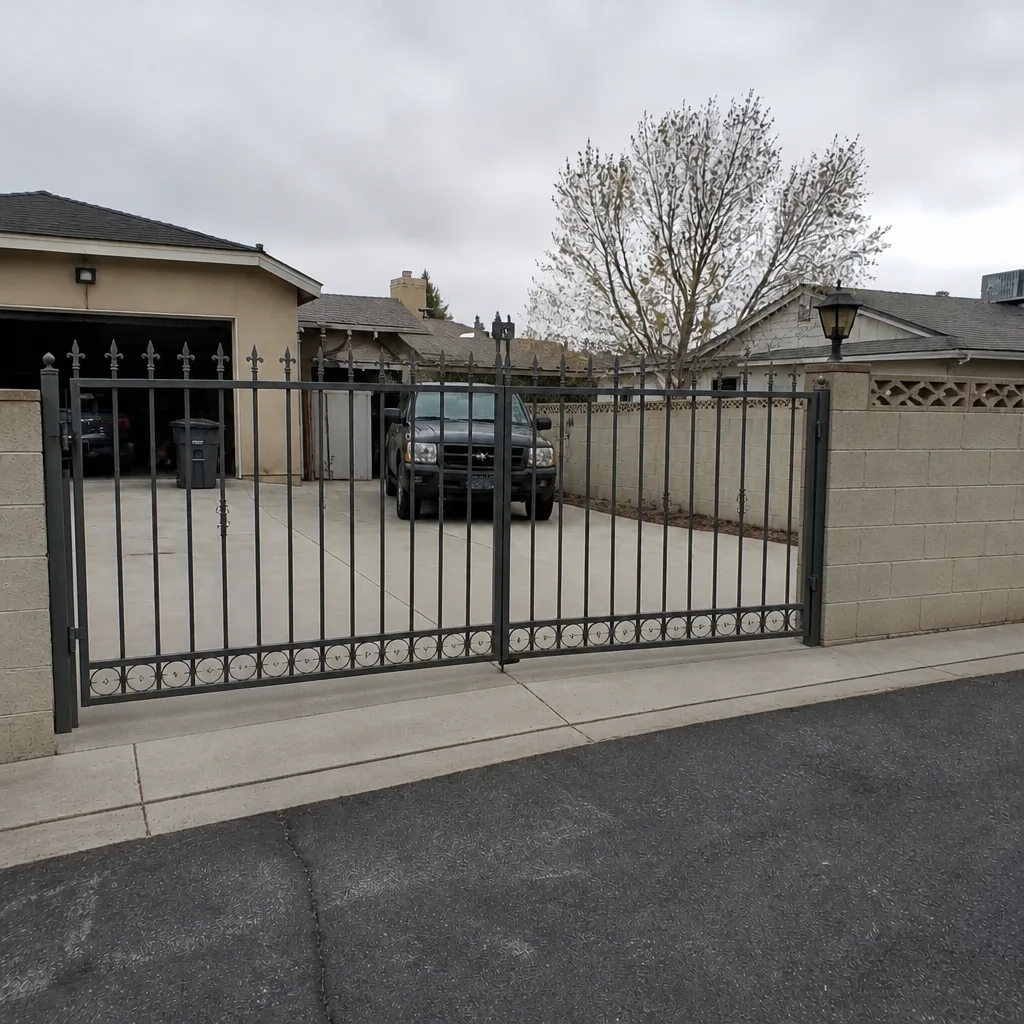
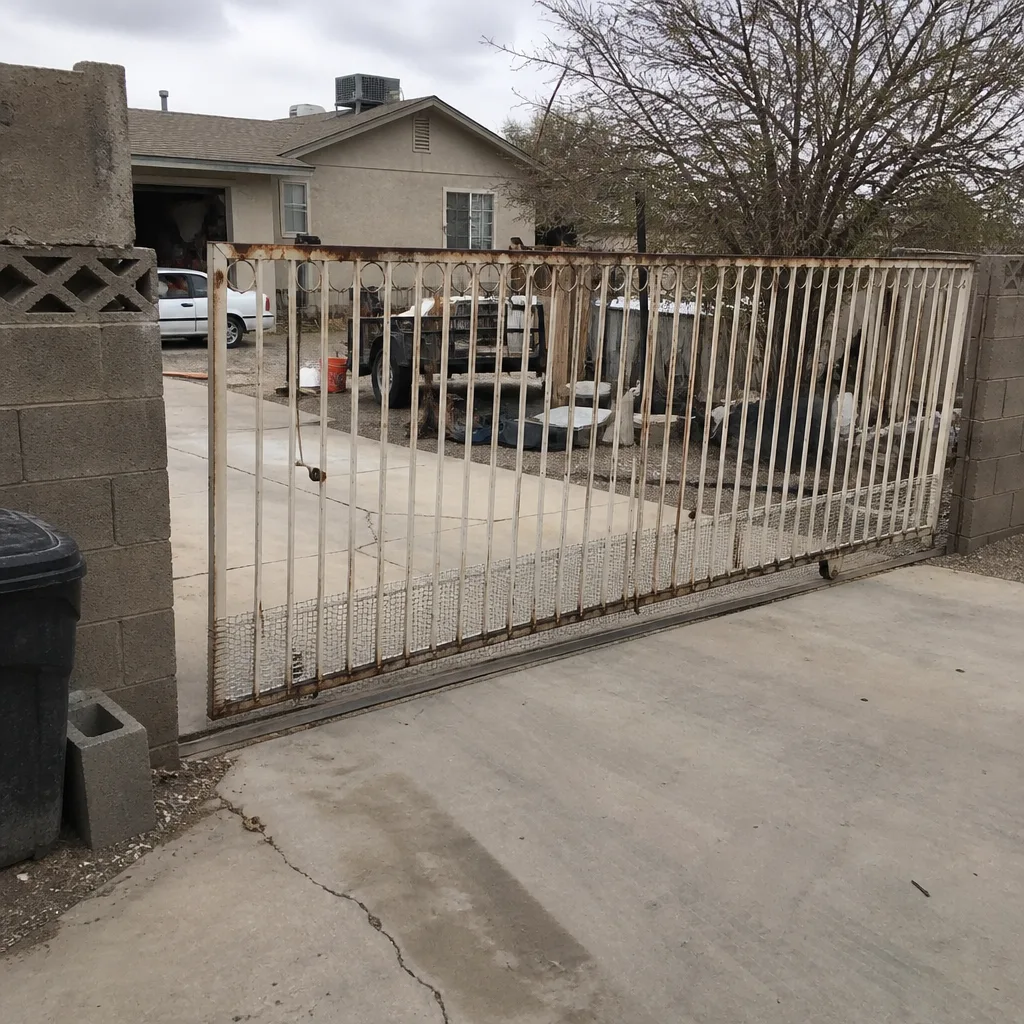
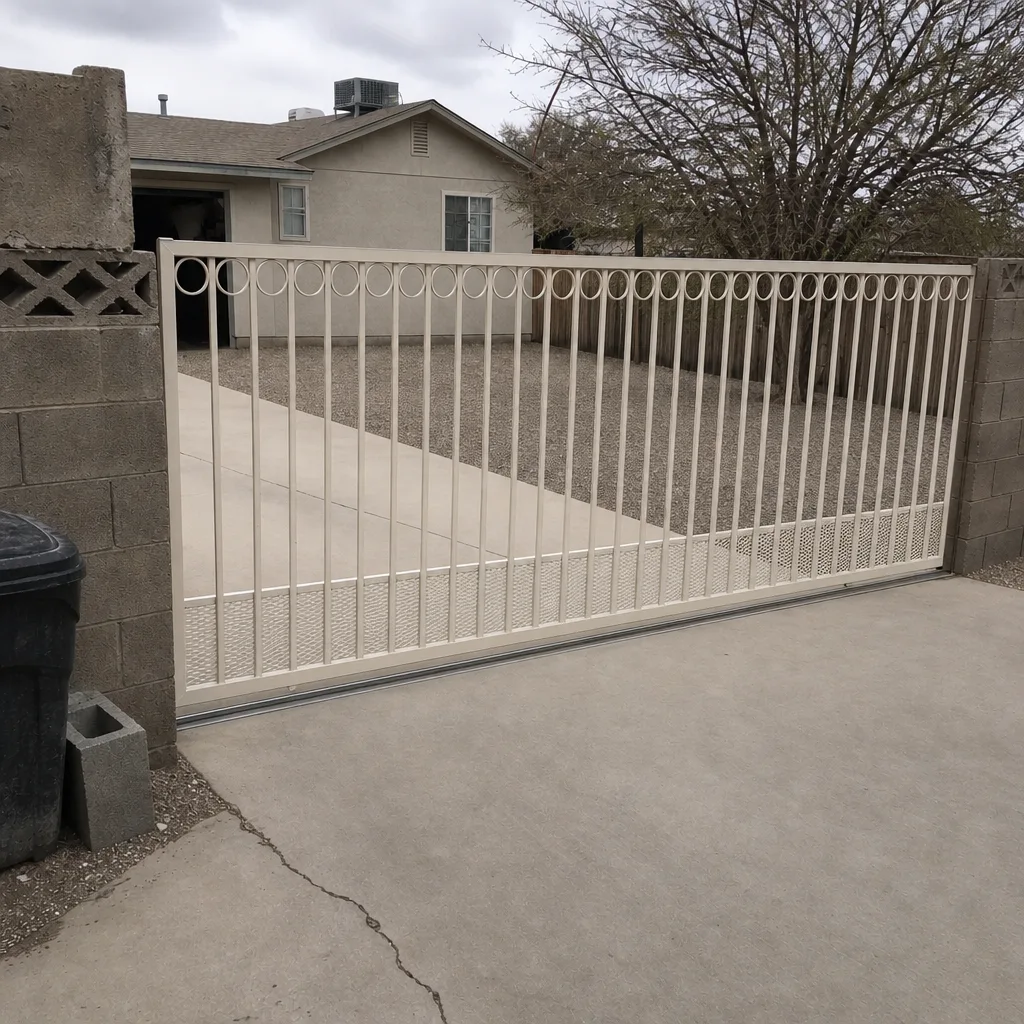
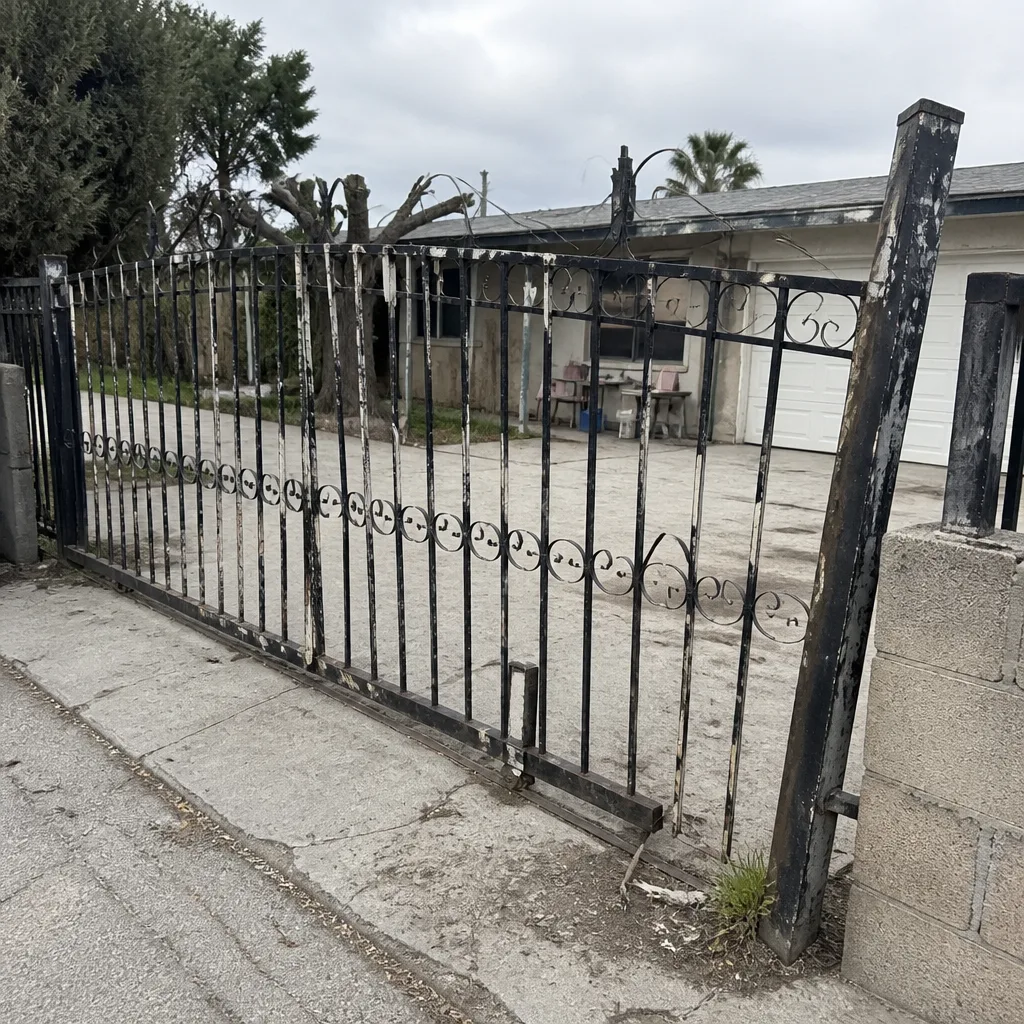
See the difference
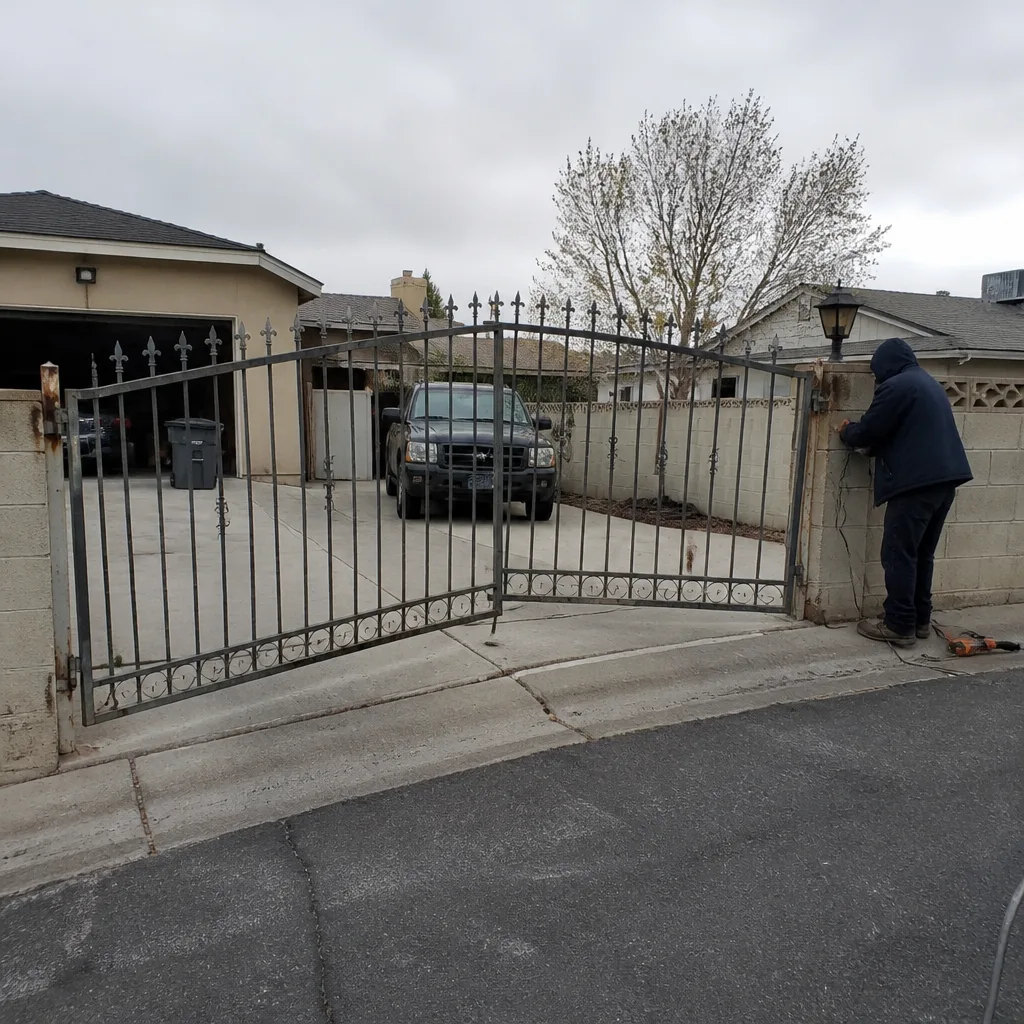 Before
 After
 Before
 After
 Before
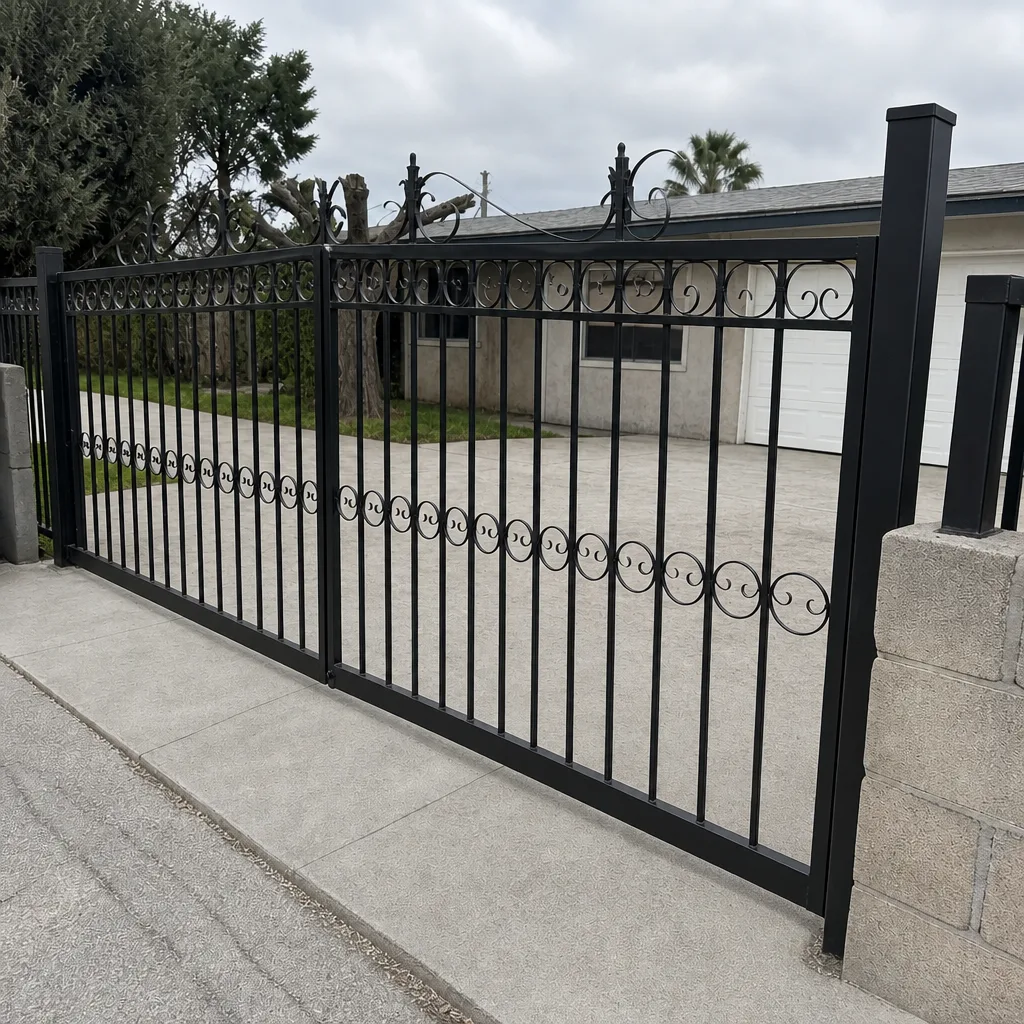 After